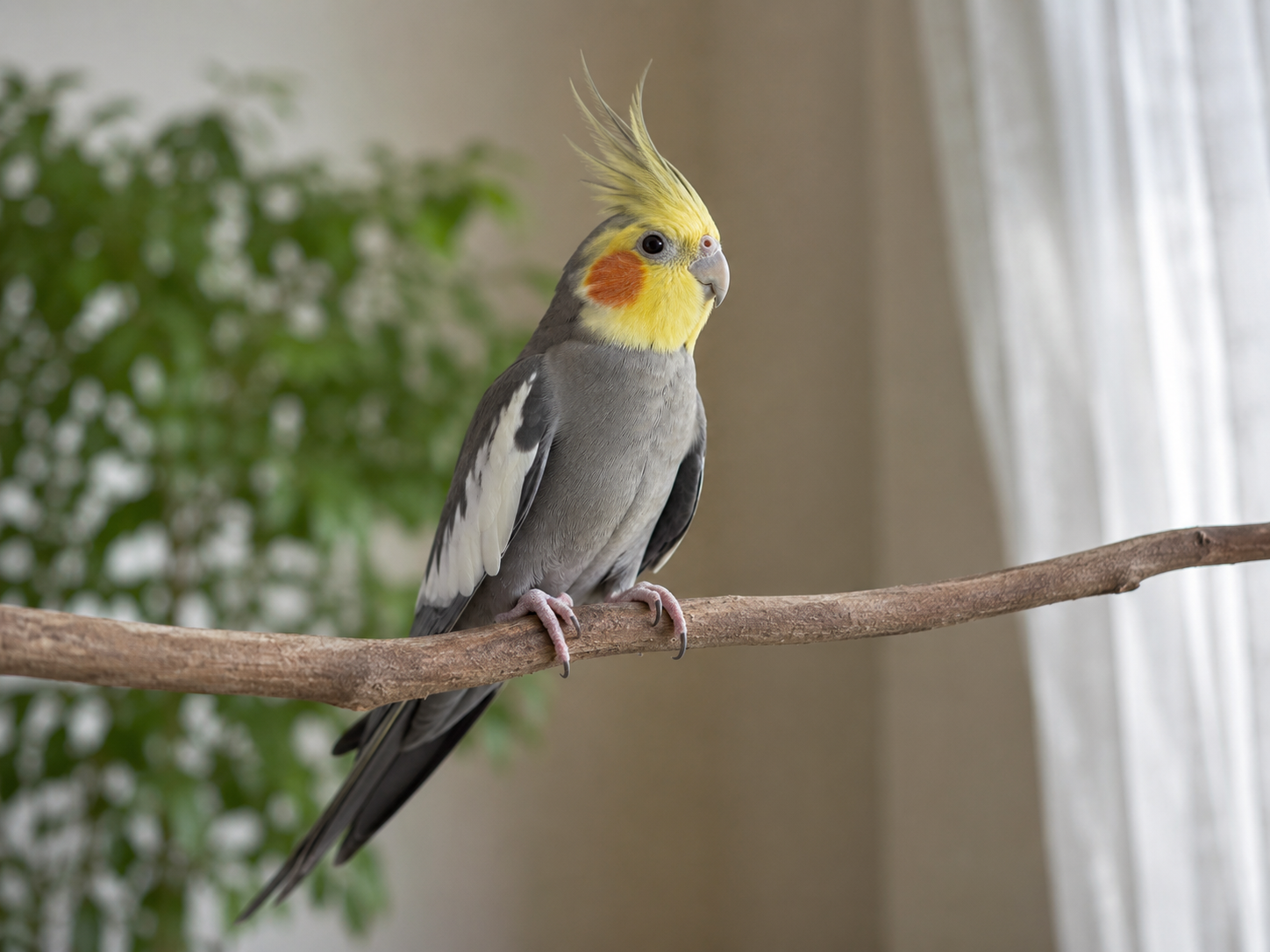
Birds hide weakness by instinct, which means pain clues can be subtle and urgent veterinary attention may be needed sooner than owners expect. tail pain can involve tail base, trauma, anal area, and spinal signals. The goal is not to diagnose from a web page; the goal is to help you notice patterns, prepare better questions for your veterinarian, and keep your pet safer while you decide what to do next.
This guide covers everyday observations that help owners separate minor soreness from pain that needs a veterinarian. Pain can be sharp, dull, intermittent, stress-related, movement-related, or connected to another health problem. A pet may still eat, play, or act affectionate while hurting, so the details matter.
Quick signs of tail pain
- Movement changes: watch for fluffed posture, hesitation, shortened stride, imbalance, or avoiding normal routines.
- Handling changes: notice flinching, guarding, turning away, biting, pinning ears, feather fluffing, or other “do not touch that” signals.
- Daily habit changes: appetite, sleep, grooming, play, perching, riding response, litter box use, or turnout behavior can all shift with discomfort.
- Pattern changes: pain after activity, pain on rising, nighttime restlessness, or sudden worsening should be written down with dates.
Common causes to discuss with a veterinarian
Possible causes of tail pain may include soft tissue strain, joint inflammation, dental disease, infection, skin irritation, trauma, neurologic pain, digestive disease, age-related changes, or compensation from another painful area. In birds, the obvious sore spot is not always the original problem. A sore tail may appear because the pet is unloading another limb, changing posture, or avoiding pressure somewhere else.
Good veterinary notes include when the pain started, whether it is improving or worsening, what makes it better or worse, recent accidents, diet changes, medications, supplements, activity level, bedding, flooring, shoeing or trimming history, and any recent travel or boarding.
What you can check at home without making it worse
Keep the exam gentle. Do not force a limb, pry open a painful mouth, press on a swollen belly, pull feathers, dig into a wound, or make a lame horse trot for a video if the pain is significant. Instead, observe from a safe distance. Record a short video of normal movement, resting posture, eating, walking, perching, or tacking up if doing so is safe. Photos of swelling, redness, wounds, nail breaks, discharge, stool, urine, or hoof condition can help your veterinary team.
For birds, also compare left and right sides when possible. Heat, swelling, odor, discharge, asymmetry, reluctance to bear weight, or a new behavior problem can all point toward pain. If the pet becomes defensive, stop. Defensive behavior is information, not disobedience.
When tail pain is urgent
Call a veterinarian promptly for bleeding, sitting on the cage floor, labored breathing, seizures, egg-binding signs, broken wing or leg, or not eating. You should also call when pain is severe, worsening, paired with fever or appetite loss, connected to trauma, or present in a young, elderly, pregnant, medically fragile, or very small pet. Do not give human pain medicine unless your veterinarian specifically tells you to; common household medications can be dangerous or fatal for pets.
Comfort steps while you wait for guidance
Reasonable comfort steps usually start with rest, controlled movement, safe footing, clean bedding, easy access to food and water, and preventing licking, chewing, overexertion, or unsafe climbing. Keep the pet calm and contained, but do not delay care when pain is significant. For horses, reduce workload and avoid riding a lame horse until a qualified professional has assessed the cause.
Where Hemp Well may fit
Some owners use hemp-based wellness products as part of a broader comfort routine for mobility, skin, coat, calm behavior, or daily health support. These products should not replace diagnosis, prescribed medication, wound care, dental treatment, surgery, hoof care, or emergency veterinary help. Use the links below as wellness resources, and ask your veterinarian how supplements fit with your pet’s condition, age, medications, and species-specific needs.
- Bird Relief Plus CBD Oil — Bird-focused CBD formula designed for comfort, feathers, and mobility support.
- Bird Hemp Oil — Organic hemp seed oil with Omega 3, 6, and 9 fatty acids for feather and wellness support.
- Hemp Well Bird Collection — Species-specific Hemp Well products for companion birds.
Questions to ask your veterinarian
- What are the most likely causes of this pain based on the exam?
- Does my pet need imaging, blood work, dental care, hoof evaluation, culture, or neurologic testing?
- What activity should be restricted, and for how long?
- Which medications or supplements are safe with my pet’s current health history?
- What warning signs mean I should seek emergency care?
Helpful shopping starting points for this page: Bird cage cover and Bird cage cover.
Frequently asked questions
Is tail pain always an emergency?
Not always, but sudden, severe, worsening, or unexplained pain should be discussed with a veterinarian. Emergency signs include collapse, breathing trouble, major wounds, inability to urinate or stand, or refusal to eat.
Can I give my bird human pain medicine?
Do not give human pain medicine unless your veterinarian specifically directs it. Many common human medications can be toxic to pets or can hide symptoms that need urgent care.
What should I track before the vet visit?
Track when the pain started, movement changes, appetite, bathroom habits, swelling, wounds, medications, supplements, activity, and short videos or photos when safe.
Can hemp products replace veterinary care?
No. Hemp-based supplements may fit into a wellness routine for some pets, but they do not replace diagnosis, pain medication, surgery, dental care, wound treatment, or emergency help.